ENGLISH
 ESPAÑOL
 DUTCH
 FRANÇAIS
 ITALIANO
 РУССКИЙ
 TÜRKÇE

Is Night Cruising Possible on a Blue Cruise?
Moving across a moonlit sea sounds magical, but a night passage is never planned for atmosphere alone. The route, forecast, yacht, crew and captain’s professional judgement all need to support the decision.
Can a Blue Cruise Yacht Travel at Night?
On most private yacht charters in Turkey, passages take place during daylight and evenings are spent in a sheltered bay or harbour. Daytime cruising allows guests to enjoy the coastline and swimming stops, while a quiet anchorage usually offers a more restful night than several hours under engine.
Sleeping on Board Is Not the Same as Cruising Overnight
Guests normally sleep on the yacht every night of a Blue Cruise, but the vessel is usually stationary. The crew anchors in a suitable bay before dinner, monitors the yacht during the night and leaves for the next destination in the morning.
When Might a Night Passage Make Sense?
To cover a longer distance efficiently
A route extending from Bodrum towards distant islands, or between two separate cruising regions, may use part of the night for passage. Guests can then wake in a new area, although the benefit must be weighed against sleep quality, fuel and crew-rest requirements.
To use a favourable weather window
The captain may expect calmer water overnight or around dawn, particularly when the wind is forecast to strengthen later. Equally, poor visibility, thunderstorms or uncomfortable seas can cancel the plan even if night cruising was included in the provisional itinerary.
To meet port or customs timings
Greek island itineraries include clearance and agency formalities. An early departure or night leg can sometimes support the schedule, but the passage itself does not remove official port requirements.
For embarkation or return logistics
The yacht may need to reach the agreed disembarkation port, respond to a technical need or meet a pre-arranged transfer. A well-designed route aims to avoid turning the final night into a rushed return passage.
What Safety Conditions Are Required for Night Cruising?
Night cruising involves more than checking whether the sky is clear. International collision-prevention rules require the correct lights from sunset to sunrise, a safe speed appropriate to the conditions and a proper lookout. The captain must also consider local regulations, charted hazards, traffic and safe approaches to anchorages.
| Safety area | Why it matters | What the captain considers |
|---|---|---|
| Weather and visibility | Waves, squalls and fog are harder to assess in darkness. | Wind, sea state, visibility, forecast and shelter options. |
| Navigation systems | Position and surrounding traffic require continuous monitoring. | Radar, GPS/chart display, AIS, compass, depth and communications. |
| Navigation lights | They allow other vessels to interpret the yacht’s direction and status. | Correct lights for the vessel and confirmation that they are visible and working. |
| Lookout and watch | Fishing craft, buoys and floating objects must be detected early. | Bridge watch, visual and auditory lookout, and crew fatigue. |
| Guest safety | Movement on deck carries more risk in darkness. | Walkways, rails, safe lighting and a clear guest briefing. |
Electronic aids are valuable, but they do not replace an alert human lookout. Small fishing boats, unlit objects or buoys may not appear as expected on radar or AIS. The bridge team therefore combines instruments with direct visual and auditory observation.
How Does the Captain Make the Decision?
A captain does not rely on a single weather app. The yacht’s condition, crew rest, traffic, harbour approach, visibility, sea state, guest wellbeing and alternative shelters all form part of the decision. “We are not leaving tonight” is not a reduction in service; it is the captain carrying out a professional duty.
- Charted shallows, islands, fishing activity and local traffic are reviewed.
- The safety of approaching the destination in darkness is assessed.
- The captain confirms that an effective, rested watch can be maintained.
- Guests are briefed on movement and restricted areas.
- Alternative bays or ports are identified before departure.
Does Yacht Type Affect a Night Passage?
The ability to cruise at night depends more on the individual yacht, equipment, maintenance, crew and route than on the category name. Still, each type produces a different onboard experience.
| Yacht type | Night-cruising character | Points to check |
|---|---|---|
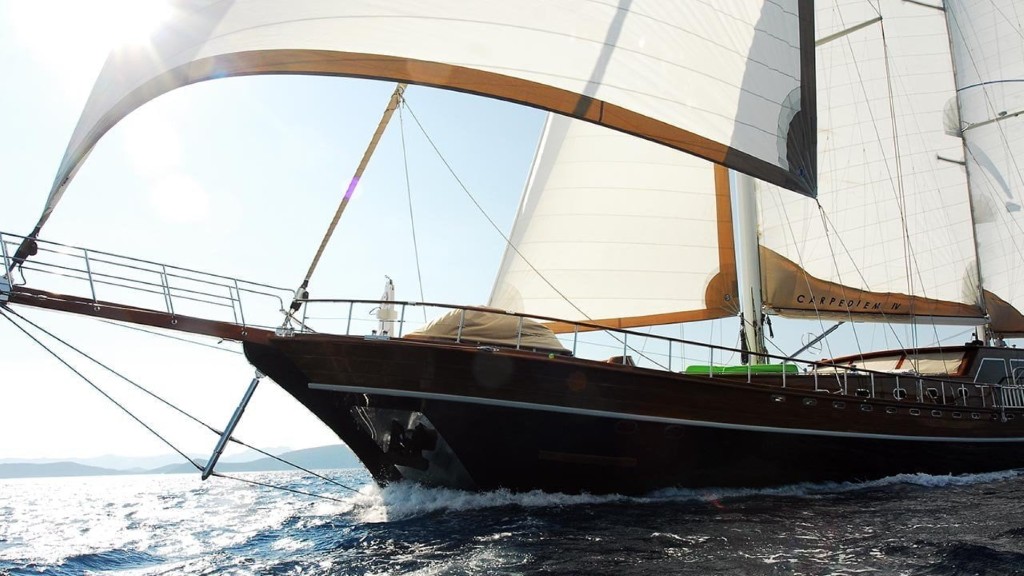
| Gulet charter | Relaxed coastal style with generous deck space; longer passages are possible in suitable conditions. | Engine noise, cabin position, economical speed and included engine hours. |
| Motor yacht charter | Can reduce the time needed to cover a longer distance. | Fuel consumption, vibration and comfort at the chosen speed. |
| Trawler charter | Steady progress at economical speed can suit longer itineraries. | Yacht-specific stability, sound insulation and navigation equipment. |
| Luxury yacht charter | May offer advanced systems and a larger professional crew. | The word “luxury” alone does not certify suitability for overnight passages. |
Our gulet, motor yacht and trawler comparison can help you choose the right overall charter style.
What Does Night Cruising Feel Like for Guests?
In calm water, it can be peaceful. Shore lights fade, the sky becomes clearer and the yacht settles into a quiet rhythm. Yet the experience is not identical for everyone. Engine noise may reach the cabins, motion can interrupt sleep and darkness can make some guests uneasy.
Families with children
Children should be settled in their cabins or remain in an approved area under adult supervision. Running on deck, wandering through dark walkways and approaching rails without supervision are not appropriate while the yacht is under way.
Guests prone to motion sickness
Some people feel movement more strongly when they cannot see the horizon. Tell the captain in advance, favour calmer conditions and consider moving the long leg to daylight. Seek personal medical advice before using motion-sickness medication.
Light sleepers
Engine and generator noise can be more noticeable in cabins close to the machinery spaces. If a long overnight passage is being discussed, ask about the cabin layout before confirming the yacht.
Does Night Cruising Increase the Charter Cost?
Travelling after dark does not automatically create a special night surcharge. The relevant factors are total engine hours, speed, route length, port costs and the fuel terms in your agreement. A gulet may include a stated engine allowance, while motor-yacht fuel is often charged according to actual consumption.
If a long overnight passage exceeds the standard allowance, additional fuel may be payable. Greek island itineraries can also involve foreign-port charges, agency fees and clearance costs. Our guides to additional yacht charter costs and Blue Cruise fuel terms explain these points in detail.
Where Can You Avoid Overnight Passages?
Göcek and Fethiye
The high concentration of nearby sheltered bays makes a rewarding itinerary possible with short daytime legs. This is an excellent area for families and first-time charter guests who do not want night passages.
Marmaris, Bozburun and Datça
A balanced itinerary can normally remain within daylight. Around Datça, however, wind and longer distances make careful departure timing important.
Bodrum and the Greek islands
Island distances and port formalities can encourage early starts or occasional night legs. Rather than overloading a seven-day holiday with distant stops, choosing a realistic gulet charter route usually creates a better experience.
What Should Guests Do Before a Night Passage?
- Listen to the captain’s briefing and respect restricted areas.
- Do not walk on deck barefoot or in slippery footwear.
- Avoid shining phone lights towards the bridge or watchkeeper; it can harm night vision.
- Keep shoes, bags and toys clear of walkways.
- Supervise children and assist guests with limited mobility.
- Tell the crew promptly if you feel unwell or anxious.
Comfortable Alternatives to Cruising Through the Night
A long route does not always require an all-night passage. Your captain and charter advisor may suggest:
- Leaving shortly before sunrise,
- Dividing the distance into two daytime legs,
- Replacing one distant stop with a closer bay of similar character,
- Selecting a faster motor yacht or changing the embarkation port,
- Using a one-way itinerary to remove the return leg.
For a realistic picture of the daily rhythm, read how many hours you cruise each day on a Blue Cruise.
Frequently Asked Questions About Night Cruising
Can gulets cruise at night?
Yes. A properly equipped gulet with sufficient crew can make a night passage when the captain considers conditions safe.
Is travelling by yacht at night dangerous?
It can be carried out professionally, but reduced visibility and fatigue introduce extra risks that demand careful planning and watchkeeping.
Do guests have to approve a night passage?
Guests should be informed because it affects comfort and the itinerary. The captain retains final authority over navigational safety.
Will I hear the engines during the night?
Possibly. Noise and vibration vary according to the yacht and cabin location, and tend to be more noticeable near the engine room.
Is night cruising charged separately?
Not simply because it occurs at night. Extra cost may arise if the route exceeds the agreed engine-hour or fuel allowance.
Can guests sit on deck during a night passage?
They may use areas approved by the captain and follow crew instructions. Deck access can be limited in some conditions.
Will the yacht leave at night in poor weather?
Not if the captain considers the risk unacceptable. Departure may be delayed or the itinerary changed.
Can an overnight passage be planned before booking?
It can be included provisionally, but remains subject to the yacht, crew, weather and the captain’s approval.
Plan a Safe, Comfortable Itinerary
Not sure whether your wish list genuinely requires a night passage? Platin Yachting can match the route and yacht to your preferred pace without sacrificing comfort or safety.