ENGLISH
 ESPAÑOL
 DUTCH
 FRANÇAIS
 ITALIANO
 РУССКИЙ
 TÜRKÇE

 by Platin Yachting
A Boat Holiday with Limited Mobility
A yacht holiday is often pictured as an easy rhythm of swimming, exploring bays and moving between the deck, saloon and cabin. For someone with limited mobility, the same journey involves a few more practical questions. How will they board? Can they move safely between the main areas? Is the cabin reachable? What happens when the yacht anchors offshore and guests need to use a tender to reach land?
These questions do not mean that a boat holiday is out of reach. They mean that the right yacht must be selected with care. A guest who uses a walking stick, someone who cannot stand for long, a person who uses a rollator and a wheelchair user may all need different arrangements. Rather than relying on a broad label such as “accessible yacht”, assess the exact vessel and the guest’s individual requirements.
Describe the Mobility Needs Before Searching
Start with the movements that are easy or difficult in everyday life. Can the guest walk short distances? Can they manage a step up from a pontoon? Do they use a manual or powered wheelchair? Can they transfer independently from the chair to a seat or bed? Is assistance needed only when boarding, or throughout the day?
- Does the guest walk independently, use a cane or rely on a walker?
- Can they manage a step or a height difference when boarding?
- If they use a wheelchair, is it manual or powered, and can it be folded?
- Do they need space to transfer from the wheelchair to a seat or bed?
- Are narrow doorways, tight turns or raised thresholds a problem?
- Does the bathroom require a particular layout or support equipment?
Sharing this information early helps rule out unsuitable boats. If personal care or physical transfer assistance is required, do not assume that the crew will provide it. Confirm exactly what assistance is available, who can provide it and whether it is within the crew’s role and training.
Boarding Is the First Practical Test
The gap between a marina pontoon and a yacht can be more challenging than it looks in a photograph. The height and angle may change with the berth, tide, water level and weather. The width and slope of the gangway, its surface and the availability of handrails all matter.
Ask how boarding works at the actual departure marina. Is there a ramp or a set of steps? Can the guest’s mobility aid cross it? If a transfer is required, what equipment and assistance are available? The same yacht may be easier to board at one berth than another, so the departure location should be part of the assessment.
Technical guidance on passenger-vessel access identifies the dock-to-gangway transition, door thresholds, passage widths and movement between decks as common barriers. See the US Access Board research on access for passengers with disabilities. It is a technical discussion of passenger vessels, not proof that a particular private charter yacht is accessible.
Deck Layout, Passageways and Doorways
A large deck does not necessarily mean that every part of the yacht is accessible. Door widths, raised sills, narrow turns, furniture placement and steps between levels all affect movement. Even a guest who does not use a wheelchair may need clear, stable passageways for a walker or cane.
Ask for close-up photographs of the boarding entrance, saloon doorway, cabin entrance, bathroom and transitions between decks. If a wheelchair is involved, request measurements rather than relying on descriptions such as “spacious”. A wide saloon does not guarantee that the entrance or turning space is wide enough.
Cabin Location and Bed Access
For a guest with limited mobility, the easiest cabin to reach may be more valuable than the cabin with the best view. A cabin close to the main living area, with fewer steps and a direct route to the bathroom, can make daily life much easier. Check the cabin door width, threshold, bed height and clear space beside the bed. Consider whether the guest needs to approach the bed from one side or both, and whether a transfer from a wheelchair is required. Ask where a folded wheelchair or walker can be stored. For a powered chair, confirm safe storage and charging options.
To compare different yacht styles, start with the Platin Yachting website, review the gulet charter options or read about the Blue Cruise holiday format. These category pages do not establish that an individual yacht is accessible; each boat needs a separate assessment.
Bathroom and Toilet Access
The bathroom is one of the most easily overlooked parts of a yacht inspection. A narrow doorway, raised shower lip, slippery floor, limited turning space or lack of a handhold can make everyday use difficult. Ask for the bathroom doorway width, shower threshold height and available floor space. Is there a shower seat? Are grab rails fitted, and where are they positioned? If the guest needs their own equipment, check that it can be brought aboard and used safely. If assistance with personal care is needed, discuss arrangements clearly; do not assume crew members provide personal care.
Tender Transfers and Going Ashore
When a yacht anchors in a bay, guests may need to use a small tender to reach shore. For a person with limited mobility, transferring into a tender can be more difficult than boarding the main yacht. The tender’s height, seating, stability, movement alongside the yacht and the number of people available to assist should all be considered.
Not every anchorage has a jetty. At some stops, guests may have to step onto rocks, a sloping beach or uneven ground. A route should therefore be planned around the guest’s actual ability to go ashore, not simply around the beauty of the bays. Staying on board should remain an acceptable option when the transfer is unsuitable.
Which Type of Yacht Is More Suitable?
Gulets
Some gulets have broad aft decks and spacious saloons, which can be pleasant for relaxing together. However, cabin stairs, narrow doors and raised bathroom thresholds may limit access. A traditional or large gulet is not automatically wheelchair accessible. When reviewing gulet charter options, ask for measurements and images of the specific boat.
Motor yachts
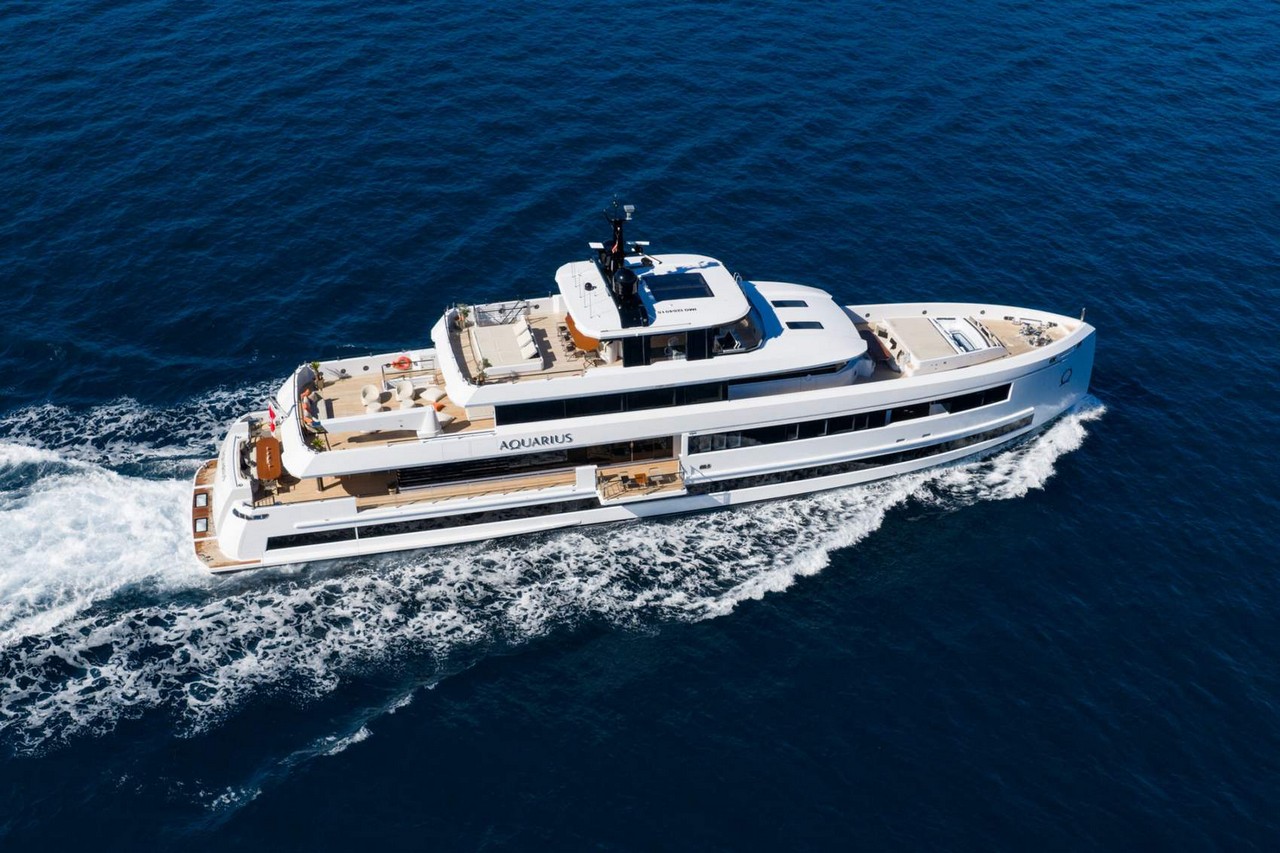
Some motor yachts have practical main-deck layouts, while others spread their living spaces across several levels. Stairs to cabins, narrow passageways and raised sills may create barriers. Request the layout and measurements of the individual vessel rather than assuming that the category is suitable.
Trawler-style yachts
Some trawler-style vessels offer generous living areas, but that does not necessarily mean they are accessible. Stairways, deck transitions and bathroom arrangements vary by model. The exact layout remains the deciding factor.
Safety and Emergency Planning
The crew should know about the guest’s mobility needs, the life jacket must fit properly, escape routes should remain clear and the assistance plan for an emergency should be discussed before departure. If the guest uses a powered wheelchair or other mobility equipment, ask where it will be stored, how it will be secured and what happens during an evacuation. These arrangements should be specific to the yacht, its crew and the planned route.
For further context, the UK government guidance on travelling by ship with reduced mobility explains why access, assistance, equipment restrictions and safe evacuation need consideration. Its legal application may differ from that of a private yacht charter; use it as a practical reference, not as a guarantee of service on a charter boat.
Build the Itinerary Around the Guest
A successful holiday does not need a new bay every morning or a shore excursion at every stop. Shorter passages, longer stays in sheltered bays and flexible days can make the experience more comfortable. For example, the yacht might make a short morning passage and then remain in a sheltered bay for several hours. Some guests can swim while others relax in the shade. If the group wants to go ashore, check the landing point, walking surface and access to restaurants beforehand.
For general information about the experience, see the Blue Cruise page. The itinerary should be developed with the captain, taking account of the vessel’s access arrangements and the guest’s daily requirements.
Pre-Booking Checklist
- Have the boarding point, ramp or steps been shown in photographs and explained?
- Is the height difference between the pontoon and yacht understood?
- Are doorways, passageways, saloon and cabin access suitable for the guest’s mobility aid?
- Have cabin and bathroom access been confirmed with photographs or video?
- Is there safe storage and, if needed, charging space for mobility equipment?
- If a tender is required, can the guest transfer into it safely?
- Have life jackets, crew assistance and emergency evacuation arrangements been discussed?
- Does the route allow for rest and realistic shore access?
- Have essential arrangements been confirmed in writing?
Frequently Asked Questions
Can a wheelchair user charter a yacht?
It depends on the guest’s needs, the yacht’s design, the boarding point and the itinerary. Many traditional gulets and private yachts do not provide wheelchair access to every area. Door widths, deck transitions, cabin and bathroom dimensions should be checked for the exact vessel.
Which type of yacht is best for limited mobility?
There is no universally suitable category. A guest may need a main deck with few steps, while another may require specialised access equipment and an adapted bathroom. The actual layout matters more than the yacht label.
Will the crew help with wheelchair transfers?
This is not a standard service on every yacht. Confirm the crew’s role and training, the equipment available and whether the transfer can be performed safely. Do not assume that personal or physical transfer assistance is automatically included.
Can guests go ashore at every bay?
No. Some anchorages have no jetty and require a tender transfer or a step onto uneven ground. If that is not suitable, remaining on board or choosing another stop may be better.
Should the guest speak to a healthcare professional before travelling?
If the guest has medical needs, uses mobility equipment or may require specific assistance in an emergency, personal advice from their healthcare team before departure can be helpful. This article is not a medical assessment.
A Thoughtful Plan Helps Everyone Take Part
A boat holiday with limited mobility is about matching the right vessel to the right needs. When boarding, deck access, cabin and bathroom arrangements, tender transfers and emergency procedures are discussed in advance, the whole group can plan with greater confidence.
When speaking with Platin Yachting, share clear information about mobility aids, transfer needs, preferred cabin and bathroom arrangements, and the kind of itinerary the guest would enjoy. This makes it possible to assess options realistically. The best holiday is not necessarily the one that visits the most bays; it is the one where everyone feels safe, comfortable and included.