ENGLISH
 ESPAÑOL
 DUTCH
 FRANÇAIS
 ITALIANO
 РУССКИЙ
 TÜRKÇE

 by Platin Yachting
Choosing a Yacht for Older Guests
A blue cruise is often imagined as a holiday for everyone in the family: time on deck, beautiful bays, swimming, long lunches and evenings at anchor. When older relatives are joining, the same holiday can be just as rewarding, but the details deserve a little more thought. A comfortable trip is not simply about choosing a large or luxurious yacht. It is about making sure that guests can board without unnecessary difficulty, move around the boat with confidence, reach their cabin and bathroom, and enjoy the day at a pace that suits them.
There is no single yacht type that is automatically right for every older guest. Someone who walks independently but tires easily has different needs from a guest who uses a walking stick, has difficulty with stairs or relies on a wheelchair. The most useful starting point is an honest conversation about what the guest can comfortably do in everyday life.
Start with the Guest, Not the Yacht Category
Before looking at photographs or comparing cabin numbers, consider the practical parts of the day. Can the guest step from a quay onto a boat? Do they need a handrail on stairs? Can they use a compact shower safely? Would a cabin on the main deck make a meaningful difference? Do they need frequent breaks from the sun or long periods of standing?
- Can the guest manage the gap or step between the dock and the yacht?
- Do they need a handrail or another person’s support on stairs?
- Can they reach the cabin and bathroom without difficult steps?
- Is there enough room to move comfortably through the main living areas?
- Would shade, supportive seating and easy access to the saloon be important?
- Can they manage the planned time at sea and the movement of the boat?
For guests with limited mobility, general labels such as “comfortable” or “accessible” are not enough. Ask about the specific yacht and request a deck plan, photographs of access points and, if possible, a short walkthrough video. A vessel that works well for one person may not suit another.
Boarding and Leaving the Yacht
For many older guests, the most challenging part may happen before the cruise begins: stepping from the marina onto the yacht. The height difference between the quay and the boat, the width and slope of a gangway, the surface underfoot and the availability of handrails can all affect the transfer. Conditions can change with the berth, water level and weather.
Ask how boarding is arranged at the actual departure point, rather than relying on a general assurance that the crew will help. If assistance or special equipment is needed, explain this before booking and obtain confirmation that the named yacht and crew can provide it. Never assume that a ramp, lift or transfer device will be available unless it has been specifically confirmed.
Steps, Handrails and Deck Layout
A yacht may look spacious in photographs while still having narrow passageways or steep stairs between its living areas. On some boats, the aft deck and saloon are on one level, but guest cabins are reached by steep steps. Access to a flybridge or upper sun deck may involve another staircase.
Ask how many steps separate the boarding area, cockpit, saloon, cabin and bathroom. Check their height, depth and angle, and whether there are secure handholds where needed. It can help if the areas used most often are close together and on the same level. Walkways should remain clear of loose cushions, bags and service equipment. Non-slip surfaces and handholds can support safer movement, but they cannot remove every risk on a moving vessel.
Choose the Cabin for Easy Access
The cabin with the best view is not necessarily the best choice for an older guest. A cabin close to the main living area, with fewer steps and a straightforward route to the bathroom, may be much more practical. Night-time access matters too. Ask where the cabin is located, whether there is a raised threshold, how much space is available beside the bed and whether the bathroom is reached directly or by another set of steps.
To compare traditional sailing options, explore gulet charter possibilities. You can also begin with the wider Platin Yachting website and review the information about a Blue Cruise holiday.
Bathrooms and Showers Deserve Special Attention
A compact bathroom can be one of the least convenient spaces on a yacht. A high shower threshold, slippery floor, narrow doorway or lack of a place to hold on may make everyday use difficult. Ask about the actual bathroom on the yacht being considered. Check whether the shower has a raised lip, whether there is room to turn and whether a shower seat or handhold is available. Do not assume that grab rails, non-slip mats or special equipment are provided. If a particular support is essential, request written confirmation before paying a deposit.
Shade, Seating and Temperature
Older guests may want to spend much of the day enjoying the view rather than moving between activities. A shaded seating area with good back support, easy access to the saloon and enough room to sit down can make a real difference. Ask how much shade is available at different times of day, not just whether the yacht has a bimini.
In hot weather, the ability to rest in an air-conditioned cabin or saloon may also matter. Confirm which areas have air conditioning and whether it can be used while the yacht is at anchor. Shade and air conditioning do not replace sensible breaks, hydration and sun protection.
Which Type of Yacht Might Work Best?
Gulets
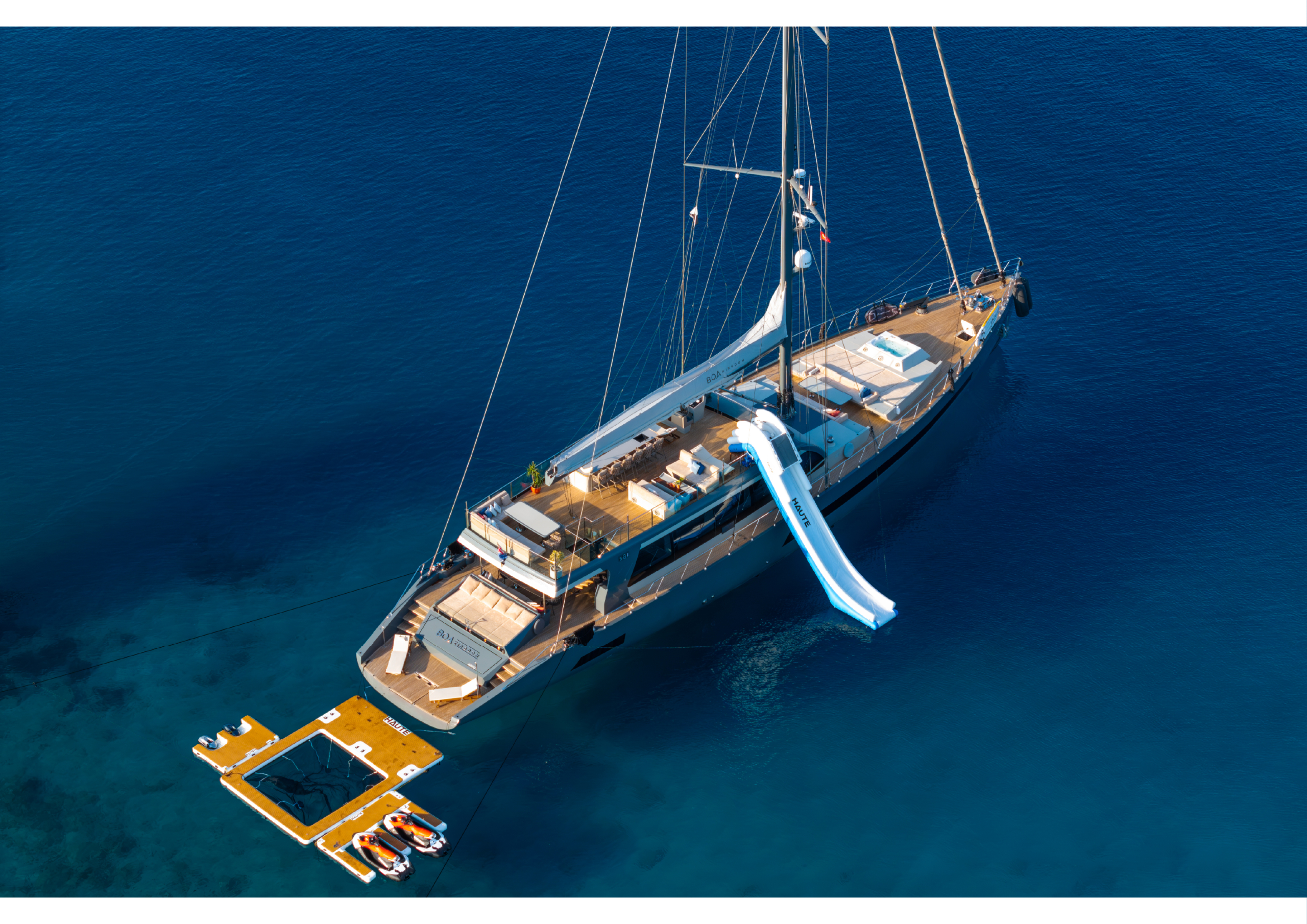
Some gulets offer generous aft decks, broad seating areas and spacious saloons. This can appeal to guests who prefer to relax on board. However, cabin access, stair angles, bathroom layouts and deck transitions vary considerably. Review the exact yacht rather than assuming all gulets share the same arrangement. The gulet charter selection can be a starting point for comparing available boats.
Motor yachts
Some motor yachts have convenient connections between the saloon and aft deck, while others rely on steep stairs to reach cabins or upper decks. Cruising comfort depends on the hull, speed, sea conditions and whether stabilisation equipment is fitted. A motor yacht is not automatically smoother or easier to move around; ask about the named vessel and its operating profile.
Trawler-style yachts
Certain trawler-style yachts are designed around relaxed cruising and practical living spaces. Yet their stairways, cabin positions and deck transitions differ from model to model. The category name should never replace a proper review of access and onboard facilities.
Plan a Relaxed Route
A suitable yacht can still feel tiring if the itinerary is too ambitious. Long daily passages, frequent tender transfers and several shore excursions in a row may leave some guests with little time to rest. A more relaxed programme can include shorter cruising legs, longer stays in sheltered bays and optional activities rather than a fixed schedule.
Before choosing a stop, consider how guests would get ashore. Is there a jetty, or would they need to use a small tender? How far is the walk from the landing point to a restaurant? Is the ground uneven or steep? A beautiful anchorage is not necessarily an easy place to disembark. For an overview of the holiday format, see the Blue Cruise page. The final route should be discussed with the captain and remain flexible according to weather and sea conditions.
Sea Movement and Daily Cruising Time
Every boat moves at sea. How much movement guests feel depends on the yacht, speed, route, wind and waves. Stabilisation systems, when fitted, may reduce some movement, but they do not make a vessel motionless. Be cautious of absolute promises such as “no movement” or “no seasickness”. Ask how the yacht generally behaves and what the proposed itinerary involves.
Guests with heart, balance, joint or other medical concerns should discuss the planned trip with their own healthcare professional. Advice about medication, motion sickness or heat exposure needs to be personal; a yacht description cannot replace medical guidance. Bring regular medication in sufficient quantities and keep it accessible.
Questions to Ask Before Confirming a Charter
- How exactly do guests board at the departure marina?
- Is there a ramp or gangway, and does it have handrails?
- How many steps are there between the deck, saloon, cabin and bathroom?
- Which guest cabin is easiest to reach, and can it be reserved?
- Does the shower have a threshold, seat or confirmed handhold?
- Is there shaded seating with suitable back support?
- How long are the planned daily passages?
- Will shore stops require a tender transfer or a walk over uneven ground?
- Can the operator confirm requested assistance or equipment in writing?
Ask for answers that relate to the actual yacht, supported by photographs, a deck plan or a video where possible. If an essential requirement cannot be confirmed, it is better to know before booking than to discover the limitation after boarding.
An Example of a Comfortable Day on Board
A relaxed day might begin with breakfast on the shaded aft deck, followed by a short passage to a nearby bay. The yacht can remain at anchor through the warmest part of the day, allowing guests to swim if they wish or simply enjoy the view from a comfortable seat. In the afternoon, the group might choose a short, easy-to-reach shore visit—or stay on board. Dinner can be served on the yacht or arranged at a restaurant whose access has been checked in advance. This is an example, not a fixed programme; the schedule should leave room for rest and changes required by the sea or weather.
Frequently Asked Questions
What is the best yacht for older guests?
There is no universal answer. Look for a yacht whose boarding arrangement, stairs, cabin location, bathroom and seating match the guest’s actual mobility and comfort needs.
Are gulets suitable for senior travellers?
Some gulets have spacious decks and comfortable shared areas. However, access to cabins and bathrooms can involve steps, so the exact vessel must be checked before booking.
Can a wheelchair user join a yacht charter?
It depends on the yacht and the individual’s needs. Many traditional yachts do not provide wheelchair access to every area. Boarding, passage widths, cabin doors, bathroom dimensions and emergency arrangements should be discussed for the specific vessel.
Should we choose a shorter route?
Shorter cruising legs and longer stops can be more comfortable for guests who tire easily. The itinerary should be tailored to the guest, yacht and expected sea conditions.
Is medical staff available on a charter yacht?
Do not assume that a doctor or nurse is part of the crew. Ask about the yacht’s first-aid equipment and emergency procedures, and seek personal medical advice before travelling if needed.
The Right Yacht Makes the Holiday Easier for Everyone
A blue cruise with older family members does not mean giving up the experience. It calls for a thoughtful choice. Easy boarding, manageable steps, a convenient cabin, a practical bathroom, shaded seating and a flexible route can make the days on board more enjoyable for the whole group.
When discussing a charter with Platin Yachting, share the practical needs of every guest as early as possible. Details such as stair use, walking support, preferred cabin location and the need for regular rest will help assess options realistically. The best yacht is not necessarily the largest or most impressive one; it is the one that allows the people on board to feel comfortable and well considered.