ENGLISH
 ESPAÑOL
 DUTCH
 FRANÇAIS
 ITALIANO
 РУССКИЙ
 TÜRKÇE

Do You Have to Return to Your Starting Port? A One-Way Yacht Route Guide
No—not always. A private charter can begin in Fethiye and finish in Marmaris, or start in Gocek and end in Bodrum. The important detail is that a different final port must be approved before booking. It depends on the yacht’s base, operating schedule, route length and what she needs to do after you disembark.
Private charter gives you far more freedom than a scheduled cruise, but it does not make the yacht’s wider operation disappear. The crew needs time to provision, clean and prepare, and the yacht may be committed to new guests shortly after you leave. Embarkation and disembarkation ports are therefore contractual details, not casual decisions made during the week.
This article focuses on choosing and planning the route. For a detailed explanation of repositioning and additional charges, read our separate guide to one-way yacht charter costs and benefits.
Four Ways a Private Yacht Itinerary Can Work
A fourth model is an extended loop: the yacht reaches another major region midway through the week, then returns to the original port through different stops. Fethiye–Marmaris–Fethiye is a familiar example. It is not a true one-way charter, but it combines more than one cruising area without changing the final travel hub.
When Do You Need to Return to the Same Port?
When the Contract Specifies a Round Trip
If the same port is listed for embarkation and disembarkation, the price and operating plan have been agreed on that basis. Choosing to leave the yacht somewhere else does not mean the yacht can remain there. Any change needs fresh approval.
When the Next Charter Starts at the Home Port
Summer bookings often run back to back. If new guests board at the yacht’s base shortly after your departure, she must return with enough time for preparation. A late request to finish elsewhere may be impractical even if the place is on your route.
When the Yacht Has Operating Restrictions
Not every yacht can start or finish commercial charters in every harbour. Berthing, licence, insurance, technical support and company arrangements vary. Greek island itineraries add flag, customs and international charter considerations.
When the Distance Does Not Fit the Holiday
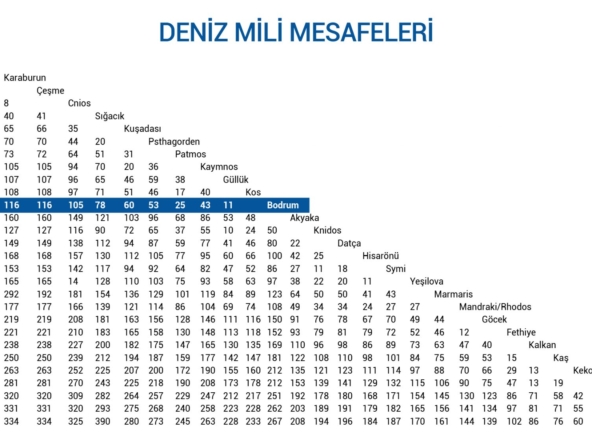
A line on a map does not include entering bays, swim stops, overnight shelter or changing weather. If the route requires long engine hours every day, the captain may consider it uncomfortable or unrealistic. Our nautical mile distance guide helps with early comparisons, while the final programme depends on the yacht and conditions.
When Can You Finish in a Different Port?
The most favourable situation is when your requested route fits naturally between the yacht’s surrounding bookings. If the next charter begins near your final port, the operator may avoid a long empty return journey. The yacht must also have enough time to complete the guest route comfortably and prepare for the next booking.
Small changes can unlock better options. Shifting the date by one day, boarding in Gocek instead of Fethiye, or ending in Datca rather than Bodrum may align with the yacht’s schedule. The goal is not simply to draw the longest possible route; it is to find a yacht and itinerary that still feel like a holiday.
One-Way or Round Trip: Which Is Better?
| Decision factor | One-way route | Return to the same port |
|---|---|---|
| Area explored | Can progress through a wider stretch of coast | Explores the departure region in greater depth |
| Time for swimming | May decrease if the route is too ambitious | Often greater on a compact local loop |
| Flights and transfers | May require two airports or longer road transfers | One travel hub is simpler |
| Yacht availability | More dependent on dates and operating schedule | Usually a broader selection |
| Budget | Repositioning and logistics may apply | Can be more predictable |
| Best suited to | Guests who prioritise exploration | Guests who value simplicity and a relaxed pace |
A family taking its first yacht holiday may enjoy a compact loop around Gocek more than a long linear journey. Returning guests who want new towns and landscapes may prefer a one-way route. Explore regional starting points and itinerary ideas through our Turkey yacht charter routes.
Realistic One-Way Route Ideas in Turkey
Gocek to Bodrum and Fethiye to Bodrum can also be considered, but trying to include every famous bay in seven nights usually creates too much cruising. A few well-chosen stops are more memorable than arriving late and leaving early every day. See our Fethiye to Marmaris Blue Cruise stops for one example of a staged route.
Why the Final Day Must Be Planned First
The last morning of a weekly charter is not normally another full cruising day. Guests usually disembark in the morning, after which the crew begins cleaning, technical checks and provisioning. The yacht will therefore spend the final night in or close to the agreed destination.
Planning a two- or three-hour passage on departure morning creates unnecessary risk. Weather, port traffic or a delay can affect flights and road transfers. A good route reaches the final area during the previous afternoon, leaves the last evening relaxed and avoids a rushed farewell.
How to Plan Flights, Hotels and Transfers
Confirm the Yacht and Ports First
Do not rely on a provisional phrase such as “we can decide during the week.” Obtain written confirmation of the embarkation and disembarkation ports before booking non-refundable flights.
Choose Airports by Transfer Time
Dalaman commonly serves Fethiye, Gocek and Marmaris, while Milas–Bodrum serves Bodrum. Summer traffic and flight timing can change the practical journey. Leave a sensible margin for international departures.
Consider a Hotel Night After the Charter
An early flight from a distant airport can turn the final morning into a race. Spending one night in the destination town provides route flexibility and lets the holiday end more naturally.
Nine Questions to Ask Before Booking
- What is the yacht’s home port?
- Are both requested ports confirmed for these dates?
- Will they appear in the charter agreement?
- Where are the yacht’s previous and next bookings?
- How many cruising hours are expected each day?
- Where is the final night likely to be spent?
- How does the different final port affect the total budget?
- Can a transfer to the airport or hotel be arranged?
- What is the alternative if weather affects the final port?
The yacht type also shapes the route. A crewed gulet offers space and a leisurely rhythm; a motor yacht can cover longer legs faster; and a trawler yacht can combine range with measured cruising.
Three Guests, Three Different Route Decisions
A Family’s First Charter: Returning May Be Easier
Imagine parents travelling with two children, flying through Dalaman and boarding in Gocek. A compact loop through Yassica Islands, Tersane and the sheltered surrounding bays may provide more swimming and less transfer stress than a long one-way itinerary. Returning to Gocek is not a compromise when the region itself offers a full week of variety.
Returning Friends: A One-Way Route Adds New Ground
A group of eight friends who already know Fethiye and Gocek may prefer to embark in Marmaris, explore Datca and Knidos, and finish in Bodrum. They understand longer cruising days, can manage two travel hubs and place discovery above maximum time at anchor. For them, a linear route has a clear purpose.
International Guests: Flights Can Shape the Coastline
Guests may arrive through Dalaman but find a convenient direct flight home from Bodrum. A Fethiye-to-Bodrum plan can then fit the wider journey, although the yacht itinerary may need fewer stops to remain comfortable. A convenient flight should not create an exhausting week at sea.
These examples explain why there is no universally correct answer. Decide whether to return by considering the group’s boating experience, children, flights, priority destinations and the yacht’s comfortable daily cruising time—not only the route’s appearance on a map.
What the Contract Should Say About the Final Port
The agreement should clearly identify the yacht, charter dates, embarkation point and disembarkation point. Where possible, name the marina or recognised delivery location rather than using only broad phrases such as “Bodrum area.” Discuss the fallback plan if weather or a port-authority decision makes the preferred location unavailable.
The quotation should also separate the alternative-port arrangement from guest-route fuel, final marina fees, empty repositioning and road transfers. Clear wording makes different offers easier to compare and prevents the final morning from bringing an unexpected charge.
Frequently Asked Questions
Do I have to return a charter yacht to the same port?
No. A different final port may be possible when approved before booking and written into the charter agreement.
Can every yacht finish in another port?
No. The home port, operating area, licence, schedule and next booking must permit it.
Can we change the route during the charter?
The captain may change bays because of weather. Changing the contractual final port requires operational and company approval.
Is a one-way route always more expensive?
No. Cost may rise if the yacht must travel empty, but a well-matched next booking can reduce the difference.
Can we cruise from Fethiye to Bodrum in one week?
It may be possible with the right yacht and conditions, but the number of stops should be limited to preserve a comfortable pace.
Why does the yacht stay near the final port on the last night?
It ensures safe, punctual morning disembarkation and gives the crew time to prepare for the next charter.
Is the transfer from the final port included?
It is usually quoted separately. Confirm the vehicle, destination and price before booking.
Which is the easiest one-way route in Turkey?
Fethiye to Marmaris and Gocek to Marmaris are balanced options, subject to the yacht, dates and weather.
Choose the Right Start and Finish for Your Charter
Share your dates, guest number and must-see areas. Platin Yachting will check the yacht’s real schedule, home port and cruising time—not just the route on a map—to propose practical options.