ENGLISH
 ESPAÑOL
 DUTCH
 FRANÇAIS
 ITALIANO
 РУССКИЙ
 TÜRKÇE

Using the Toilet on a Yacht: Everything Guests Should Know
A yacht holiday is an opportunity to slow down, explore beautiful coastlines and enjoy time at sea. For guests who are new to boating, however, a few practical questions often come to mind before departure. One of the most common is surprisingly simple: how do you use the toilet on a yacht?
A marine toilet may look much like the one you use at home or in a hotel, but the plumbing and waste-management system behind it are different. Unlike a house connected to a municipal sewer network, a yacht has its own onboard equipment. Depending on the vessel, waste may be directed to a holding tank and managed through a system designed for that particular boat.
There is no need to worry. Using a yacht toilet is usually straightforward once the crew has explained how the system works. The important thing is to follow the instructions for your vessel rather than assume that every toilet works in exactly the same way.
In this guide, we explain how yacht toilets work, the differences between manual, electric and vacuum systems, whether toilet paper can be flushed, what a holding tank does, how to avoid unpleasant odours and what to ask before booking a yacht or gulet charter.
Are yacht toilets different from toilets on land?
Yes. The toilet itself may look familiar, but the way waste is moved and stored is different. On land, household toilets generally discharge into a sewer system or a private wastewater treatment arrangement. On a yacht, the system is part of the vessel’s onboard plumbing and may include pumps, valves, filters, ventilation and a holding tank.
The exact arrangement depends on the yacht’s size, design, age and equipment. One boat may have a manual pump toilet, another an electric flush system, while a larger or more modern yacht may use vacuum technology.
For this reason, it is best not to assume that the controls or flushing procedure will be the same on every boat. When you step aboard, ask a crew member to show you how the toilet works. A short explanation at the beginning of the trip can prevent avoidable problems later.
How does a yacht toilet work?
The purpose of a marine toilet is to move waste through the vessel’s plumbing in a controlled way. The technology varies, but guests are most likely to encounter one of the following systems.
1. Manual pump marine toilets
A manual marine toilet uses a hand-operated pump, usually positioned beside the toilet. Depending on the model, the pump mechanism controls the intake of flushing water and the movement of waste through the system.
The operating handle may have different positions or a specific pumping sequence. The correct procedure varies by model, so do not experiment with the lever or force it if it feels stiff. Ask the crew to demonstrate the correct method before using it for the first time.
2. Electric flush toilets
An electric marine toilet usually operates through a button or control panel. Some models combine the flushing and water functions in one control, while others have separate buttons.
Although an electric system may appear familiar, it should still be used according to the vessel’s instructions. Holding a button down for too long or flushing unsuitable materials can cause problems. Follow the crew’s guidance on how long to operate the control and what may safely be flushed.
3. Vacuum toilet systems
Some yachts use vacuum technology to move waste through the plumbing. These systems are designed to operate with a specialised arrangement and may use relatively small amounts of water.
Vacuum toilets contain components that can be affected by foreign objects. Never put wipes, sanitary products or other unsuitable items into the bowl. If you hear an unusual sound, see a warning or notice that the toilet is not operating normally, stop using it and inform the crew instead of repeatedly pressing the flush button.
Important rules for using a toilet on a yacht
The most useful rule is to remember that a marine toilet is not connected to the same type of plumbing as a home toilet. Yacht pipes, pumps and holding tanks are designed differently. Items that seem harmless can become lodged in the system and cause blockages or mechanical damage.
What should never be flushed?
Unless the crew specifically tells you otherwise, do not put any of the following items into a yacht toilet:
- Wet wipes or cleaning wipes
- Paper towels and facial tissues
- Sanitary pads, tampons or similar personal-care products
- Cotton buds, cotton wool or dental floss
- Plastic, packaging or any other foreign object
- Food scraps or solid waste
These materials may not break down in water. They can become trapped in pipes, pumps or vacuum components, leading to blockages and repairs. Wet wipes are a particular concern because they can remain intact even when they appear soft or disposable.
Can you flush toilet paper on a yacht?
There is no single rule that applies to every yacht. Some marine toilet systems can handle suitable toilet paper, while others require used paper to be placed in a designated bin. The correct procedure depends on the vessel’s plumbing and the instructions provided by the crew.
Ask when you board whether toilet paper can be flushed. If the crew asks you to use a separate bin, please follow that instruction and keep the bin lid closed. This small habit helps maintain hygiene and reduces the risk of a blocked system.
What is a yacht holding tank?
A holding tank is a tank used to store wastewater from the toilets on board. Its size, monitoring equipment and disposal arrangements depend on the vessel’s design. Some yachts have a tank-level indicator; on others, the crew monitors capacity as part of the vessel’s routine operation.
A holding tank has a finite capacity. Wastewater management therefore matters, particularly when a yacht is carrying a full group of guests or spending an extended period away from facilities where the system can be serviced. Use the toilet as instructed and avoid unnecessary flushing.
The handling and disposal of wastewater must follow the vessel’s equipment requirements and the applicable local maritime and environmental regulations. Guests should not operate valves, pumps or discharge equipment themselves. These tasks are the responsibility of the captain and authorised crew.
Why might a yacht bathroom have an unpleasant smell?
There can be several reasons for an odour in a yacht bathroom. These may include the holding-tank ventilation, plumbing connections, a toilet that has not been operated correctly, a section of pipe that has not been used for some time or equipment that needs maintenance.
The best contribution guests can make is to use the toilet correctly, keep the bathroom tidy and tell the crew if they notice an unusual or persistent smell. Avoid pouring cleaning chemicals or fragrances into the toilet in an attempt to solve the problem. Certain products may damage seals, pumps or other parts of the wastewater system.
If an odour continues or becomes stronger, it should be checked by the crew rather than simply covered with an air freshener.
Using the toilet on a gulet
Gulets are a popular choice for blue cruises along the Turkish coast. They come in a range of sizes and layouts, so their bathroom arrangements and technical equipment can vary considerably.
Many gulets have en-suite bathrooms connected to guest cabins. However, the exact facilities depend on the individual vessel, its cabin layout, refurbishment history and equipment. Some boats may have more traditional marine toilet systems, while others are fitted with modern electric toilets.
When planning a gulet holiday, check whether each cabin has a private bathroom and ask about any specific instructions for the toilet system. Do not rely on the general description of a boat type to determine its facilities. You can explore available options on our gulet charter page and ask for details about the vessel that interests you.
Toilets on motor yachts and trawlers
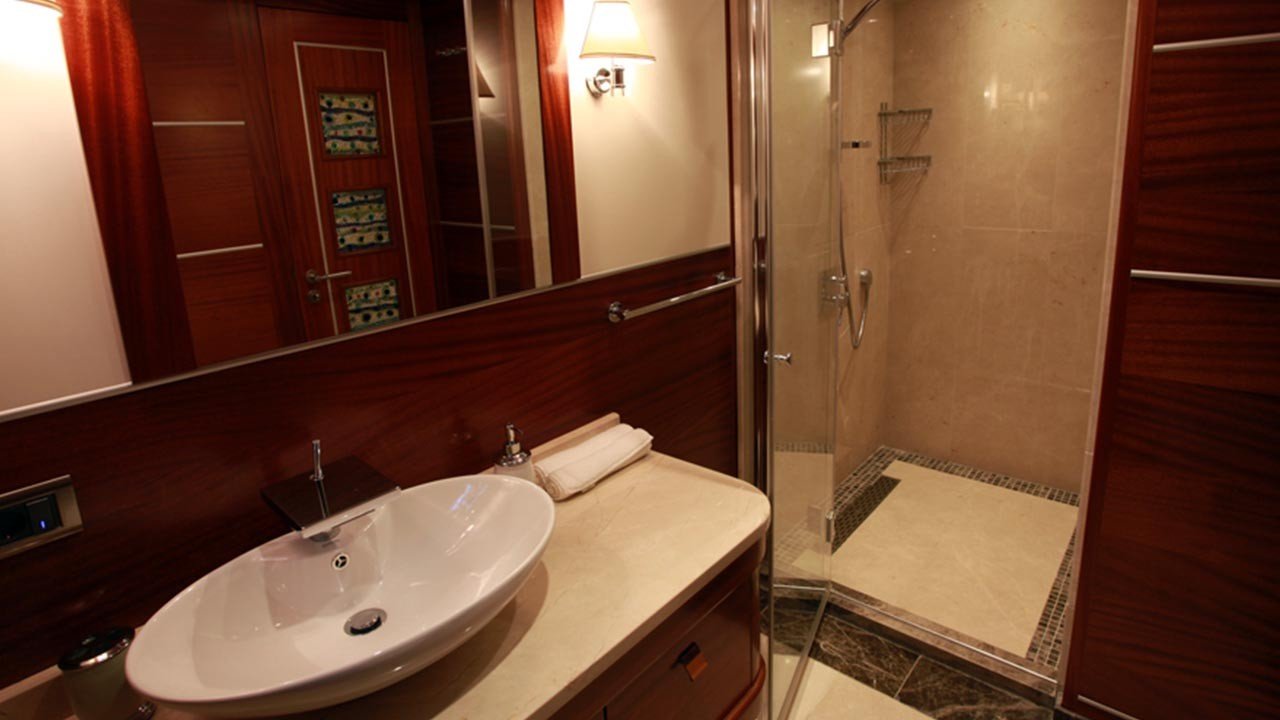
On motor yachts and trawlers, bathroom layouts vary according to the size and design of the vessel. Some boats offer spacious bathrooms, separate shower areas and contemporary fittings. Others make efficient use of a more compact space.
The size or luxury level of a yacht does not, by itself, tell you which toilet system is installed. A vessel may use an electric, vacuum or another type of marine toilet. It is therefore worth asking about the bathroom equipment and onboard instructions rather than relying on photographs alone.
If you are comparing different styles of yacht holiday, you can also explore our motor yacht charter and trawler charter options.
Bathroom hygiene and comfort during a yacht holiday
Good onboard hygiene involves more than operating the toilet correctly. Keeping the bathroom tidy, using fresh water thoughtfully and respecting shared spaces all help make the trip more comfortable.
A few simple habits make a difference:
- Be mindful of water on the floor after showering and leave the space tidy.
- Keep towels and personal belongings arranged so they do not obstruct other guests.
- Leave the toilet and bathroom clean after use.
- Follow the crew’s guidance about fresh-water use and showering.
- Do not use cleaning chemicals or deodorising products in the toilet without asking.
- Report leaks, blockages or unusual noises as soon as you notice them.
These small courtesies are especially helpful when several guests share the same bathroom facilities.
What should you ask before booking a yacht?
When choosing a yacht, it is natural to focus on the route, cabins, meals and price. Bathroom facilities are also worth checking, particularly for families with children, larger groups or guests planning a longer cruise.
Before confirming a booking, consider asking:
- Does every guest cabin have its own toilet and bathroom?
- Is the shower inside the bathroom or in a separate area?
- Are the toilets manual, electric or vacuum-operated?
- Can toilet paper be flushed, or should it go into a separate bin?
- Does the yacht have a wastewater holding tank, and are there any special usage instructions?
- Are there any limits or recommendations for hot water and fresh-water use?
- Who should guests contact if a toilet or bathroom problem occurs?
The answers help you understand the practical arrangements on board and choose a yacht that suits your group’s expectations.
Why responsible toilet use matters for the sea
The sea is at the heart of every blue cruise. Protecting clean bays, coastal habitats and marine life is part of travelling responsibly.
Rules for wastewater discharge vary according to the vessel’s equipment, location and applicable local regulations. Guests should never decide when or where wastewater is discharged. The captain and authorised crew are responsible for managing the system in accordance with the relevant requirements.
As a guest, you can help by using the toilet correctly, keeping unsuitable materials out of the system, avoiding unnecessary water use and following the crew’s environmental guidance. These simple actions support the protection of the beautiful coastlines that make a yacht holiday special.
A simple guide for first-time yacht guests
If this is your first yacht or gulet holiday, there is no need to feel unsure about using the bathroom. The crew can explain the system when you arrive. Keep these steps in mind:
- Ask a crew member to show you how the toilet operates.
- Check whether toilet paper can be flushed or must go into a separate bin.
- Use the flush button or pump handle exactly as demonstrated.
- Never put wet wipes or other foreign objects into the toilet.
- If the toilet appears blocked or makes an unusual sound, stop using it and tell the crew.
- Follow the onboard water and hygiene guidelines and leave the bathroom tidy.
That is usually all you need. Once you understand the system, using the bathroom becomes a normal part of your onboard routine.
Frequently asked questions about yacht toilets
Do yacht toilets work like toilets at home?
They may look similar, but the plumbing and waste storage arrangements are different. A yacht may use a manual pump, electric flush or vacuum system. Always follow the instructions for the specific vessel.
Can you flush toilet paper on a boat?
It depends on the toilet and plumbing system. Some boats allow suitable toilet paper to be flushed, while others require it to be placed in a separate bin. Ask the crew when you board.
Can wet wipes be flushed down a yacht toilet?
No. Unless the crew gives a specific instruction otherwise, wet wipes should never be flushed. They can cause blockages and damage pumps or other parts of the system.
Does every gulet cabin have a private toilet?
That depends on the individual gulet and its cabin layout. Many gulets offer en-suite bathrooms, but you should confirm the facilities of your chosen vessel before booking.
Is it normal for a yacht toilet to smell?
Odours can have several causes, including ventilation or plumbing issues. A persistent or strong smell should be reported to the crew so that it can be checked. Do not try to fix it by pouring chemicals into the toilet.
What should I do if the yacht toilet gets blocked?
Stop using it and inform a crew member. Do not repeatedly flush, force the pump or operate valves. Any technical inspection or repair should be handled by the responsible crew.
Are the shower and toilet in the same bathroom?
This depends on the yacht’s design. Some boats have a combined shower and toilet area, while others provide separate spaces. Check the cabin photographs and facilities description before booking.
Is fresh water limited on a yacht?
Many yachts store fresh water in onboard tanks, and capacity varies from vessel to vessel. Follow the crew’s guidance on showering and water use, especially during longer cruises.
A comfortable yacht holiday starts with the right choice
Using the toilet on a yacht may be unfamiliar at first, but it is simple once you understand the system and follow a few basic rules. Check the instructions for toilet paper, keep wipes and foreign objects out of the toilet, operate the flush correctly and let the crew know if anything does not seem right.
At Platin Yachting, we encourage guests to consider the practical details that shape their time on board, as well as the route and appearance of the yacht. Explore the options on Platin Yachting and speak with our team about finding a yacht or gulet that matches your expectations.
With the right vessel, clear guidance and considerate use of the onboard facilities, you can relax and enjoy everything a blue cruise has to offer.