ENGLISH
 ESPAÑOL
 DUTCH
 FRANÇAIS
 ITALIANO
 РУССКИЙ
 TÜRKÇE

 by Platin Yachting
A Vegan and Gluten-Free Menu on a Blue Cruise
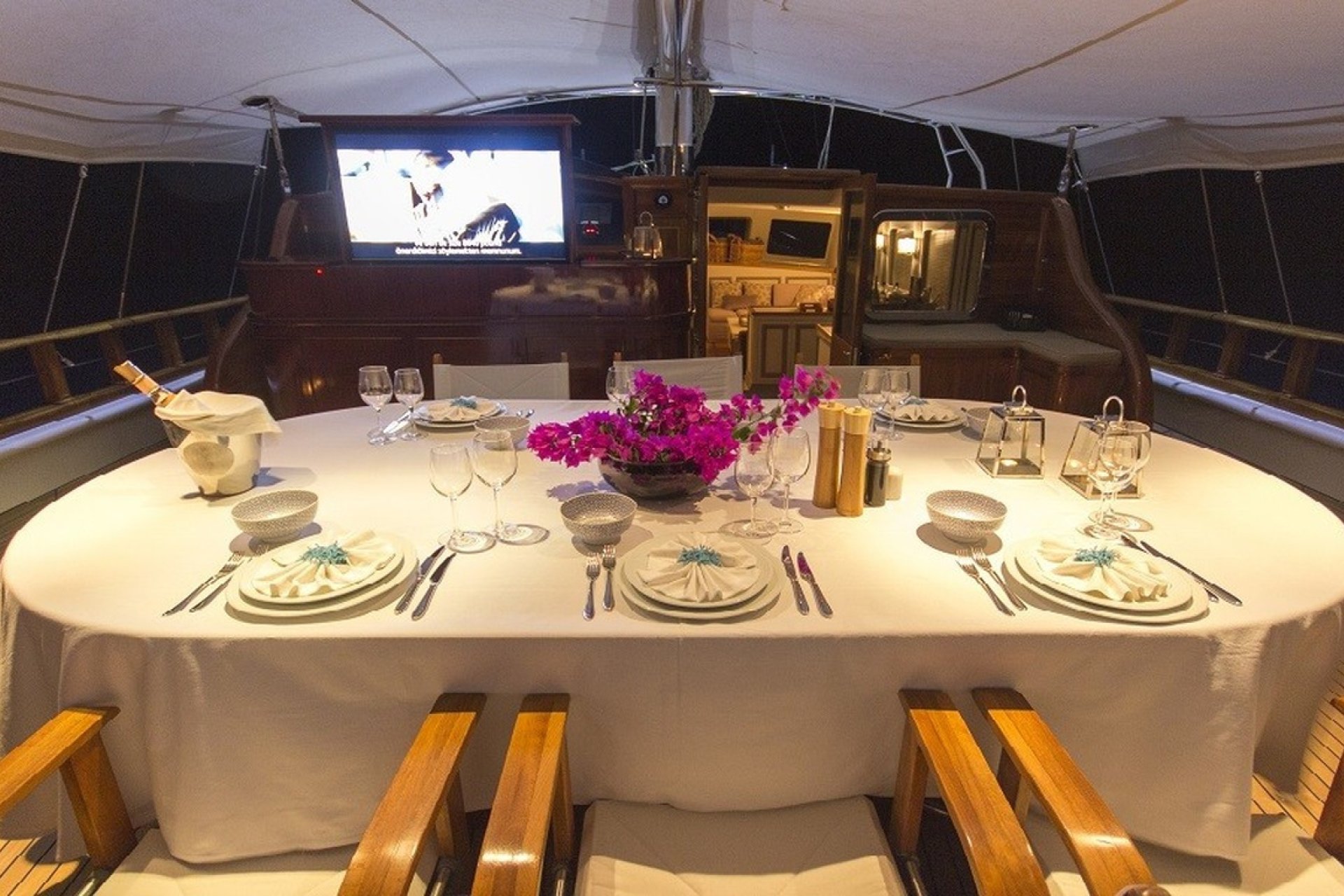
Picture a morning on deck, breakfast in the sea breeze, a swim in a quiet bay and dinner as the light fades over the water. These are the simple moments that make a blue cruise special. For guests who eat vegan or gluten-free, part of enjoying those moments is knowing that meals onboard have been planned with their needs in mind.
Combining vegan and gluten-free requirements may sound complicated at first. In practice, fresh vegetables, fruit, legumes, rice, potatoes, quinoa and carefully selected products can form the basis of a varied menu. The key is not simply to remove a few ingredients from a standard menu, but to plan balanced, appealing and practical meals from the beginning.
There is an important distinction: vegan eating is a dietary choice, while a gluten-free diet may be medically necessary for someone with coeliac disease or another gluten-related condition. For a guest with coeliac disease, removing wheat, barley and rye from the recipe is not enough. Gluten cross-contact must also be considered during storage, preparation and service.
Sharing dietary requirements early in the yacht holiday planning process makes it easier for both guests and crew to prepare. This guide looks at menu ideas, provisioning, galley arrangements and the questions worth asking before departure.
Are vegan and gluten-free diets the same?
No. A vegan diet excludes meat, fish, dairy, eggs, honey and other animal-derived foods. A gluten-free diet avoids wheat, barley, rye and products made with these grains. Oats also require care because they can come into contact with gluten-containing grains during growing, processing or packing. Guests with coeliac disease should choose oats only when they are specifically labelled gluten-free and suitable for their needs.
A guest may follow both diets at once, which means the menu needs to account for animal-derived ingredients and gluten-containing ingredients separately. Packaged sauces, ready-made soups, seasoning mixes, vegetable patties and plant-based drinks can have different formulations, so their labels should be checked rather than relying on the product name.
It is useful to clarify why a guest needs to eat gluten-free. For someone with coeliac disease, even small amounts of gluten may cause harm. The requirements for a person with non-coeliac gluten sensitivity or someone choosing to avoid gluten may be different. Individual dietary decisions should follow advice from the guest’s healthcare professional.
How to build a vegan and gluten-free yacht menu
A thoughtful menu should offer more than the same salad at every meal. Breakfast, lunch, dinner and snacks can each bring different flavours and textures. Choosing ingredients that can be used in more than one dish can also make provisioning and galley work more efficient.
A fresh start to the day
A vegan and gluten-free breakfast might include tomatoes, cucumber, olives, seasonal fruit, avocado, suitable gluten-free bread, tahini, jam and plant-based yoghurt. Check the labels on bread, spreads and packaged breakfast products. A knife that has touched ordinary bread should not go back into a shared jam or spread jar, as crumbs can transfer gluten.
Light but satisfying lunches
After a morning in the sea, a fresh and nourishing lunch often feels just right. Olive-oil vegetable dishes, chickpea or lentil salads, rice or quinoa bowls, roasted vegetables and suitable cold mezze can add variety. Dressings made from known ingredients such as lemon, olive oil and fresh herbs may be easier to check than complex ready-made sauces.
Colourful evening meals
Vegetable stews, legume dishes, rice or other suitable gluten-free grains, baked potatoes and seasonal salads can all work well for dinner. Chickpeas, lentils, beans, peas and tofu can contribute plant-based protein. Packaged tofu and other prepared products still need an ingredient check, and marinades or sauces should be verified for both animal-derived ingredients and gluten.
Desserts and snacks
Fresh fruit platters, chia pudding, desserts made with a suitable plant-based drink or recipes using gluten-free flour can be considered. Check the ingredients of plant-based drinks, chocolate, baking powder and other packaged items. “Plant-based” does not automatically mean gluten-free, and “gluten-free” does not automatically mean vegan.
Protein and variety in a vegan menu
A menu made up mainly of vegetables and salads may not be satisfying enough, especially during an active holiday. Legumes, soy foods, nuts, seeds and suitable grains can be included across different meals to make the menu more varied and filling. Chickpeas, lentils, beans, peas, tofu, pumpkin seeds and chia are useful ingredients to consider.
Quinoa and buckwheat are naturally gluten-free grains, but for a guest with coeliac disease, their source and handling matter too. A naturally gluten-free ingredient can still be exposed to gluten during harvesting, processing, packing or preparation.
For longer-term or medically specific dietary needs, energy, protein, iron, calcium, vitamin B12 and other nutrients should be considered individually. A yacht menu is not a substitute for a dietitian’s medical nutrition plan. Guests should follow their healthcare professional’s advice, particularly for nutrients that may need specific attention on a vegan diet, such as vitamin B12.
Why gluten cross-contact matters
For a guest with coeliac disease, one of the most important galley considerations is cross-contact. Crumbs or residue from gluten-containing food can be transferred to a dish that would otherwise be gluten-free. This can happen during storage, preparation, cooking and service, including through shared condiment jars and utensils.
- Clean worktops, chopping boards, knives, pans, pots and serving utensils before preparing gluten-free food.
- Where practical, use separate equipment and storage containers for gluten-free preparation.
- Do not use a toaster or colander that has been used for gluten-containing foods unless it can be cleaned appropriately and its use is suitable for the guest’s needs.
- Food fried in oil shared with breaded or flour-coated products should not be treated as suitable for a guest with coeliac disease.
- Consider flour dust and residue on surfaces when wheat flour is used in the galley.
- Keep gluten-free provisions sealed, labelled and separate from foods containing gluten.
- Keep serving spoons, tongs and condiment containers from being shared between dishes.
For more detail, see the NIDDK guidance on coeliac disease and nutrition and the Celiac Disease Foundation’s information about gluten sources and cross-contact. If an ingredient cannot be verified, it should not be presented as gluten-free.
Provisioning and shopping before departure
Because provisions are often purchased before the yacht leaves port, dietary requirements should be shared before the shopping list is prepared. The list should cover more than main-meal ingredients: bread, snacks, drinks, sauces, breakfast items, desserts and seasonings all deserve attention.
Read packaged-food labels and check vegan and gluten-free suitability separately. Even naturally gluten-free foods such as rice, potatoes, fruit and vegetables can come into contact with gluten-containing products during storage or preparation. Be cautious with unpackaged, unlabelled or supplier-prepared products whose ingredients cannot be confirmed.
On longer itineraries, do not assume that suitable specialist products will be available at every port. Where needed, gluten-free bread, pasta or other specific items should be sourced before departure and stored in appropriate quantities and conditions for the length of the cruise.
Choosing a yacht and discussing the catering arrangements
Yachts differ in galley size, storage capacity, equipment and chef service. When comparing gulet charter options, ask about the kitchen arrangements as well as accommodation and onboard facilities. You can also explore blue cruise ideas and discuss your catering needs with Platin Yachting before confirming the details.
Useful questions to ask before booking include:
- Who prepares the meals and plans the menu?
- Can the vegan and gluten-free requirements be sent to the chef in writing?
- Will ingredient and allergen labels be checked during provisioning?
- Can separate or specifically cleaned equipment be used for gluten-free preparation?
- Can gluten-containing and gluten-free provisions be stored separately?
- Are shared toasters, colanders, frying oil or serving utensils used?
- Can the requested arrangements genuinely be followed in this yacht’s galley?
Do not assume that a galley is fully suitable for a guest with coeliac disease until the necessary arrangements have been discussed. If the yacht cannot provide the separation and handling required, that should be made clear before the booking is confirmed.
How the itinerary affects meal planning
The route determines not only where the yacht will anchor, but also when and where provisions can be purchased. On itineraries that spend longer periods away from port, it is especially important to source specialist products before departure and plan how they will be stored. Time for shopping during port calls can also be discussed in advance.
When considering a blue cruise, include menu and provisioning requirements in the itinerary conversation. If you are exploring a gulet holiday, share vegan and gluten-free needs at the first enquiry so the yacht, chef and shopping arrangements can be considered together.
An example of a one-day vegan and gluten-free yacht menu
This sample is intended as inspiration. Every ingredient and preparation method must still be checked against the guest’s individual requirements and cross-contact needs.
- Breakfast: Tomatoes, cucumber, olives, avocado, fruit, tahini and appropriately labelled gluten-free bread.
- Lunch: Quinoa and chickpea salad, olive-oil vegetables and seasonal greens.
- Afternoon snack: Fresh fruit and suitable nuts or seeds.
- Dinner: Lentil and vegetable stew, baked potatoes and a green salad with lemon dressing.
- Dessert: Chia pudding made with a checked plant-based drink or a fresh fruit platter.
This is an example, not a fixed standard or medical diet plan. Portions and ingredients should be adapted to the guest’s energy needs, allergies, intolerances and preferences.
Frequently asked questions
Can a yacht prepare both vegan and gluten-free meals?
It may be possible depending on the yacht’s galley, provisioning options and ability to control cross-contact. Share the request before booking and confirm the arrangements with the chef or relevant crew member.
Are vegan meals automatically gluten-free?
No. Vegan meals can contain wheat, barley or rye in bread, pasta, flour, sauces and packaged products. Both requirements need to be checked separately.
Are rice, potatoes and quinoa gluten-free?
These foods are naturally gluten-free, but they may come into contact with gluten-containing ingredients during packing, storage, preparation or cooking. For coeliac disease, sourcing and galley procedures matter as well.
Can gluten-free bread be heated in a shared toaster?
Crumbs from ordinary bread can remain in a toaster. A shared toaster that cannot be reliably cleaned may not be suitable for a guest with coeliac disease. Separate equipment is preferable.
Can oats be included in a vegan and gluten-free menu?
Oats are plant-based, but cross-contact with gluten-containing grains can occur during production. Guests with coeliac disease should choose only oats specifically labelled gluten-free and follow their healthcare professional’s advice.
When should special dietary requirements be shared?
As early as possible, ideally during the first booking discussion and before menus or provisions are arranged.
A well-planned menu is part of the holiday
Eating vegan and gluten-free does not mean giving up flavour or variety on a blue cruise. Fresh vegetables, legumes, fruit, suitable grains and plant-based protein sources can come together in meals that are colourful, satisfying and enjoyable. The important thing is to understand the guest’s needs and plan ahead rather than leaving the menu until the last minute.
For guests with coeliac disease, preventing gluten cross-contact is just as important as choosing gluten-free ingredients. The yacht’s galley, equipment, storage and service routines should be assessed realistically. For medical dietary requirements, the guest’s doctor or dietitian should remain the source of individual guidance.
Share your vegan and gluten-free requirements at the beginning of your yacht holiday planning. By considering the yacht, chef, route and provisions together, the meals onboard can become another memorable part of the journey.